 HibbittsDesign
About Paul
Paul Hibbitts designs and builds open-source software that turns Markdown into modern, self-managed websites for educators, digital publishers, and content creators – drawing on over 25 years of experience in software interaction design, UX consulting, and higher education, across more than 140 software projects.

How It Started
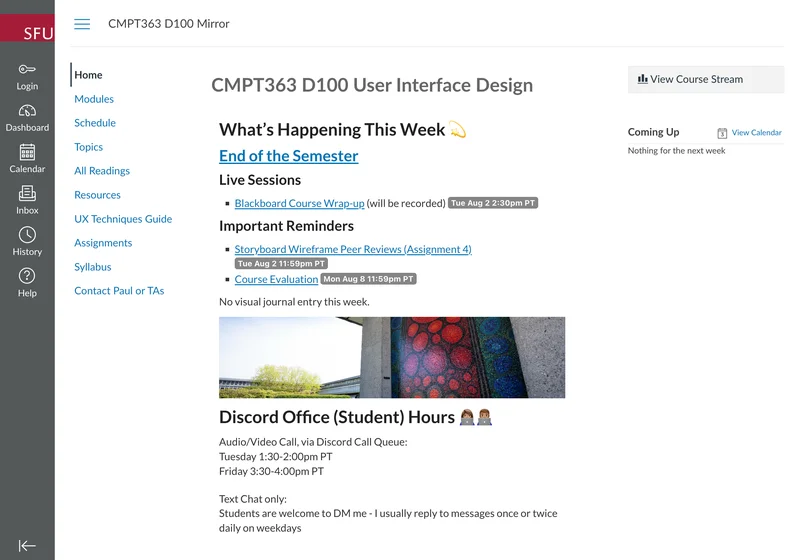
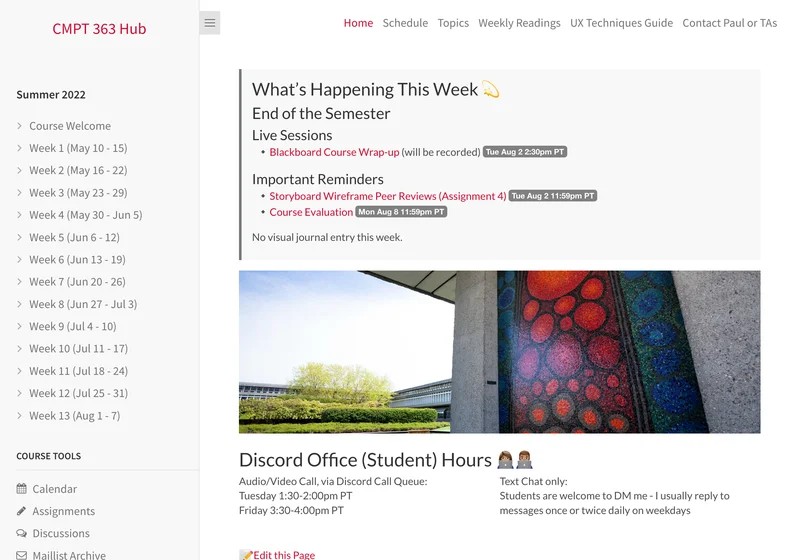
Before focusing on open-source publishing tools, Paul spent many years teaching user interface design, including redesigning SFU's CMPT-363 User Interface Design course for online delivery. In keeping with an early embrace of open education and OER, the Canvas LMS course remains public, alongside earlier course hubs built with Docsify and Grav CMS.
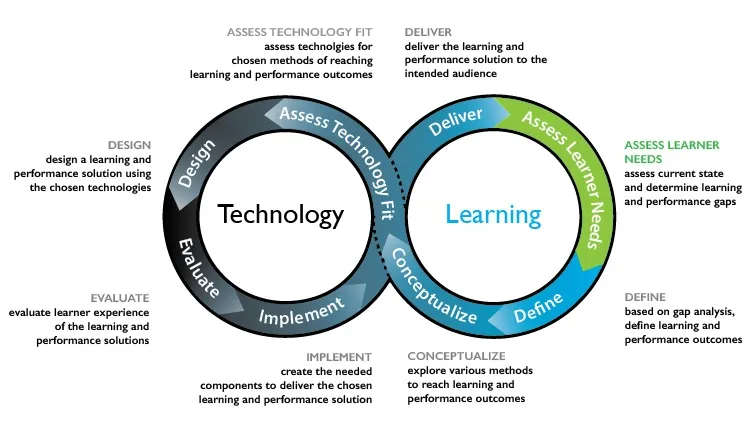
That teaching work is also where the Learning + Technology Development Process Model (Hibbitts & Travin, 2015) originated, cited in Tony Bates' open textbook Teaching in a Digital Age.
What People Are Saying
Educators, publishers, and open-source users have shared their experience with these tools – read the full testimonials.
Open Source Philosophy
If Paul had to point to one design approach behind these projects, it would be a systems-oriented one – paying attention to how elements connect, rather than optimizing each one in isolation. Read Systems-Oriented Design in Practice for what that looked like building the Grav Helios Course Hub and Docsify‑This.
Two more pieces look at specific parts of that same approach: loving open-source projects the way you love a favourite song or book, in Building Open Source Projects with a Positive Vibe, and writing documentation that works as both a development compass and a user guide, in A Dual-Purpose Framework for Better Open Source Documentation.
For teams that need more direct support with these tools, Paul offers a few professional services alongside this open-source work.